LATEST NEWS & EVENTS
-
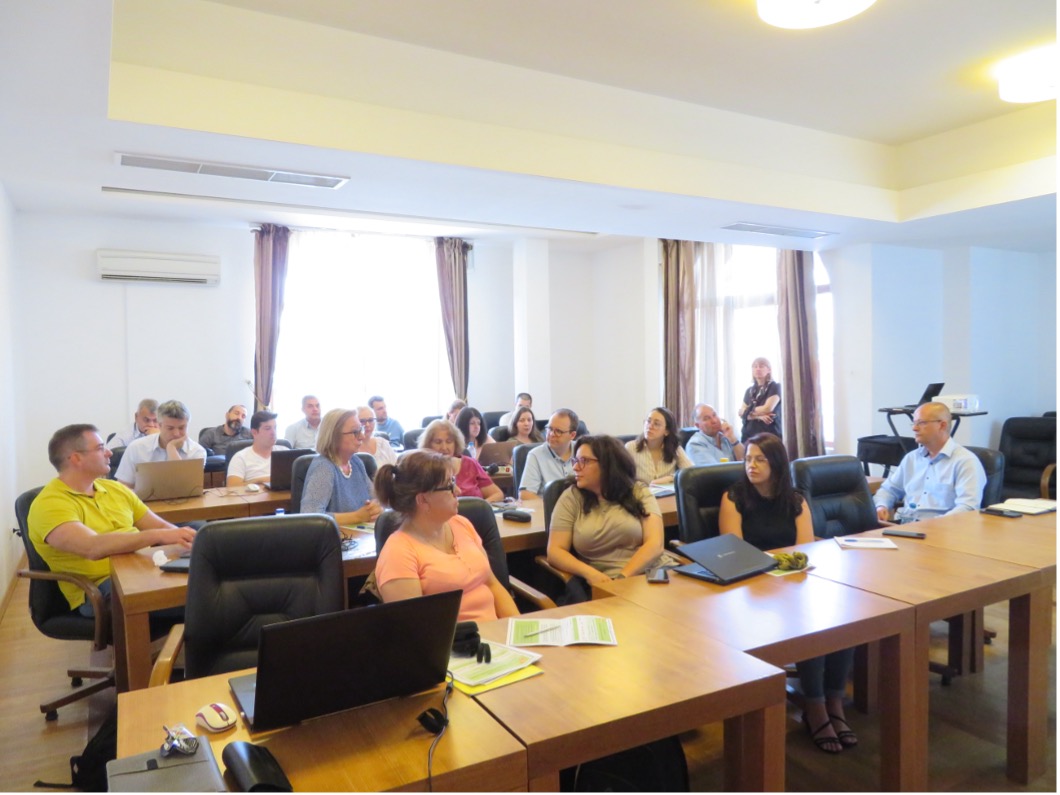
ABEA organised its summer annual meeting in Panagyurishte
|
Read more: ABEA organised its summer annual meeting in PanagyurishteThe Association of Bulgarian Energy Agencies (ABEA) organised its summer annual meeting from 6 to 7 July 2023 at the Kamengrad Hotel in Panagyurishte. The main theme of the event…
-

Second Day of ABEA’s XVI National Conference Concludes
|
Read more: Second Day of ABEA’s XVI National Conference ConcludesThe second day of the XVI National Annual Conference of the Association of Bulgarian Energy Agencies (ABEA) also concluded with productive topics and discussions. The final day of the conference…
-
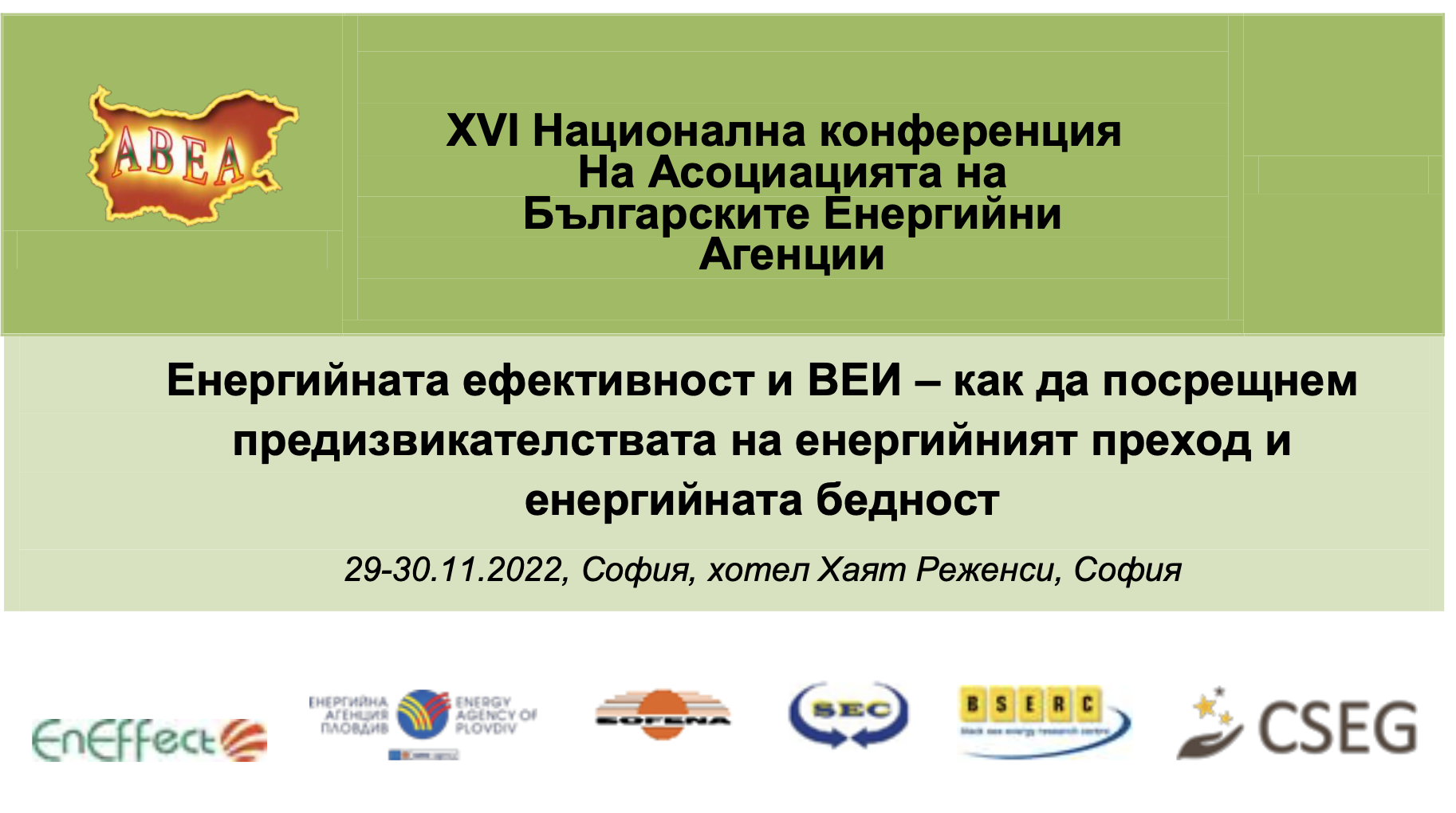
ABEA hosts its 16th national conference
|
Read more: ABEA hosts its 16th national conferenceThe Association of Bulgarian Energy Agencies (ABEA) will organise its annual national conference for the sixteenth consecutive time on 29-30 November in “Vasil Levski 1” Hall at the Hyatt Regency…
FOCUS AREAS
01 Energy Efficiency
Energy efficiency and the rational use of energy are at the core of sustainable energy development and represent а cost-effective pathway to reducing energy consumption, greenhouse gas emissions, and costs. ABEA actively promotes energy efficiency measures across all sectors. Through its network of local and national energy agencies, the organisation supports municipalities, national institutions, businesses, and citizens in identifying and applying innovative solutions that improve energy performance and optimise energy use. ABEA disseminates good practices, organizes capacity-building activities, and supports the implementation of policies and measures.
02 Renewable Energy
Renewable energy is essential for achieving climate neutrality, energy security, and economic growth. ABEA promotes the increased use of renewable energy sources such as solar, wind, biomass, geothermal, hydropower, and renewable fuels, supporting their integration into energy systems. The Association and its members work closely with public authorities, businesses, research institutions, and CSOs to encourage investment in renewable energy technologies and to raise awareness of their environmental, social, and economic benefits. ABEA participates in European and national initiatives aimed at overcoming market barriers and improving regulatory frameworks.
03 Sustainable Heating and Cooling
Heating and cooling (HC) account for a major share of final energy consumption and therefore play a crucial role in achieving energy and climate goals. ABEA promotes the development of sustainable HC systems that combine high energy efficiency with increased use of renewable and low-carbon energy sources. The Association supports initiatives related to both modern district HC networks and small-scale solutions. ABEA assists local authorities and other stakeholders in strategic energy planning, the preparation of investment projects, and the implementation of innovative technologies, aiming at the modernization and decarbonization of HC sector.
04 Sustainable Buildings
Buildings represent one of the largest energy-consuming sectors and offer significant potential for improving energy efficiency and reducing carbon emissions. ABEA actively supports the transition towards sustainable, efficient, and climate-resilient buildings by promoting integrated approaches to building design, construction, renovation, and operation. Through its network of energy agencies, ABEA provides expertise, information, and support to public building owners, housing associations, businesses, and citizens. It develops educational and awareness-raising initiatives, and contributes to policy discussions related to building performance and sustainability.
05 Just Transition
The transition towards a climate-neutral economy must be fair, inclusive, and socially balanced to ensure that no region, community, or citizen is left behind. ABEA actively supports the regions affected by the shift away from carbon-intensive energy, as well as the stakeholder participation in the planning and implementation of transition processes. ABEA contributes to building local capacities, developing innovative projects, and identifying sustainable economic opportunities that create jobs and improve quality of life. The Association participates in initiatives focused on community engagement, energy poverty, workforce reskilling, and inclusive energy planning.
MEMBERS